

 What to do if you didn’t inspect production and you receive a shipment of unsellable products?
First, check if 100% of the goods are unsellable. If not, it might be worth the cost to sort the bad pieces out.
Second, check if some of the defective products can be reworked, or if they have to be thrown away.
If they can be reworked, you have several options:
- Sending the products back to China for repair (very difficult, since Chinese Customs don’t allow for defective products to be imported into China).
- Decide that the value of the goods doesn’t make it worthwhile to rework the shipment, and throw them away or sell them in a parallel channel.
- Do the repair job in your own company.
- Find a repair center in your country.
Many importers are not aware of that last option. Some companies, such as Berry Services in the center of France or QCI in the US (West coast and East coast), respond to this need.
They can do 100% inspection and sorting, but they can also work on the products themselves. Here are a few examples:
- Removing mold stains from shoes
- Washing garments to remove dirt/oil stains
- Ironing garments to make them presentable in a store
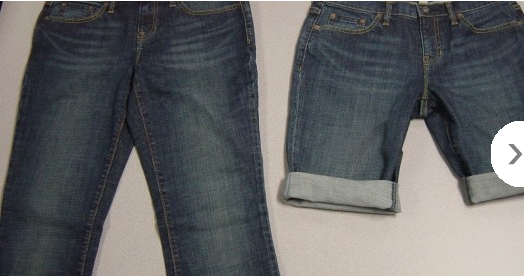
- Making alterations to correct a faulty workmanship
- Relabelling (correcting mix-ups in labelling, placing barcodes that can be read, etc.)
- Repacking
Sometimes it is necessary to find creative solutions — see this example from the QCI website:
Oh, and also… Ask yourself if you should keep working with the same supplier or end the relationship.

